
History

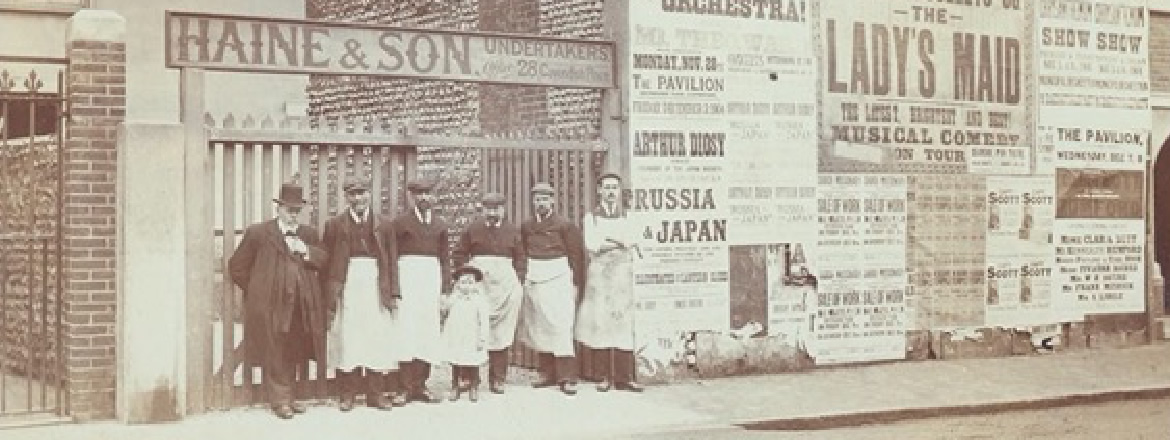
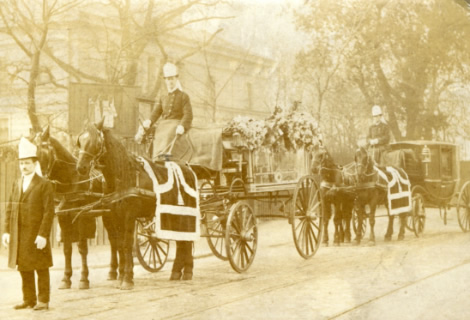
Founded in 1905 as The British Undertakers’ Association, The National Association of Funeral Directors, as it has been known since 1935, is one of a number of organizations that has appeared over the last three hundred years to represent those responsible for managing the disposal of the dead – eventually resulting in the formation of the British Undertakers’ Association in 1905.
The NAFD would like to thank funeral historian Dr Brian Parsons for this valuable insight into
the origins of the Association.

The NAFD would like to thank funeral historian Dr Brian Parsons for this valuable insight into the origins of the Association.

The NAFD would like to thank funeral historian Dr Brian Parsons for this valuable insight into the origins of the Association.

The United Company
of Undertakers

2021

History Part 1

The first such institution The Upholders Company emerged in the early eighteenth century and was closely followed by The United Company of Undertakers.

2021

History Part 2

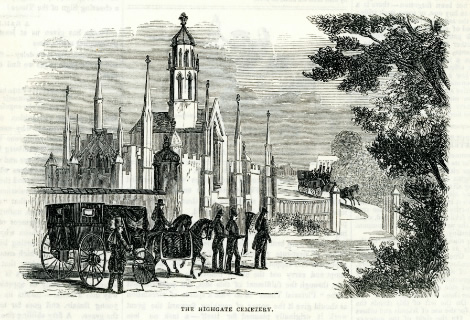
The nineteenth century was a period of considerable development in respect of the disposal of the dead. During the 1830s, the proprietary cemeteries severed the monopoly that the Established church possessed over burial provision whilst legislation to regulate burial grounds, the registration of death, the work of the coroner, exhumation and the bequeathal of bodies for dissection had also been introduced.

2021

History Part 3

Whilst the mid-1880s saw the emergence of cremation there was much concern over premature burial and inadequacies in death certification. Furthermore, there was increasing pressure to reform the manner in which funerals were carried out.

2021

History Part 4

The growth of the undertaking trade occurred in parallel with these developments, a fact largely attributable to the population expansion especially in urban areas. Around 1894, a group of London undertakers rallied together as a result of the need to defend twelve members of the trade against a libel action brought about by a coroner’s officer. By 1898 meetings were taking place on a semi-regular basis, and in July a gathering was held to formally establish The British Institute of Undertakers.

The British Institute
of Undertakers

2021

History Part 5

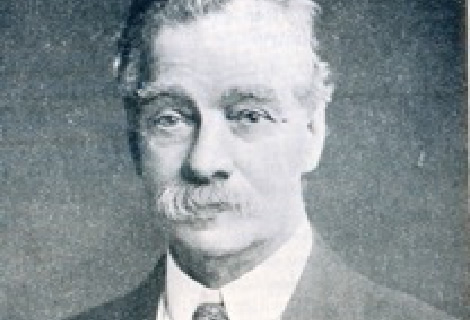
Information about the formation of the BIU is limited. Despite the appointment of a chairman, vice-chairman, secretary, treasurer, trustees and members of the council the BIU was without a president and vice-president. There was, however, modest enthusiasm and at a meeting in October 1898 a paper was read on the future of the Institute. The speaker was a Marylebone undertaker who would play an important part in the organizational development of the industry until his death in 1933: Henry Sherry. He spoke of the need for an association which ‘…should watch over the interests of the trade, and which…would earn the respect of municipal and governing bodies’. The issue of registration of undertakers was discussed at this meeting before a motion resolved to the effect, ‘That the BIU do all in its power to petition or otherwise to get parliament to make some form of compulsory registration.’

2021

History Part 6

During 1899, Henry Smith of Battersea was elected president of the Institute. Dialogue had commenced with undertakers in Leeds and Liverpool to form branch associations and, again, Henry Sherry spoke of the future for the BIU while looking to the rise of undertaking associations in America as the model for gaining recognition. At a meeting in November he urged members to ‘…follow their cousins across the water….organize, educate, legislate.’ He also believed that professional development would come through advocating sanitary practices.

2021

History Part 7

At the beginning of 1900 a BIU conference was planned to take place in Birmingham, but by July this had been postponed; it would appear that the Institute was floundering.

2021

History Part 8

Early in 1903 the North of England Funeral Undertakers’ Association was formed in Manchester. An interview revealed that the objectives of the Association were to protect the interests of undertakers, rectifying grievances and increase the efficiency of members through ensuring they receive ‘…some personal benefit…by being enlightened on trade topics.’ A benevolent fund was also to be established.

2021

History Part 9

The success enjoyed in the north of England clearly enthused undertakers in London. In March 1904 a gathering presided over by James Hurry formed the Metropolitan Funeral Furnishers’ Association. Its objective was, ‘To establish in the Metropolitan area an association open to master undertakers and funeral carriage proprietors, monumental masons and members of allied trades, for the purpose of improving the conditions of the trade; to watch municipal, hospital, cemetery, local and similar authorities in the interest of the trade.’ At a well-attended meeting two months later, William Knox was elected president, James Hurry as vice-chairman and Henry Kellaway as secretary. One of the motions advanced was the adoption of a minimum charge for funerals.

The British
Undertakers’ Association

2021

History Part 14

With Henry Sherry voted to take the chair, the meeting dealt with a number of matters; the most important was the name of the organization. Four names were tabled: the British Undertakers’ Alliance, the National Federation of Undertakers, the National Institute of Undertakers, and the National Association of Undertakers. Mr Hurry was asked the name of the ‘American Central Organization’ to which he replied: ‘National Association of Funeral Directors.’

2021

History Part 15

Debate around the words ‘British’, ‘National’ and ‘Federation’ finally concluded with the adoption of the British Undertakers’ Association.

2021

History Part 16

  1. To unite all existing local undertakers’ Associations, and to promote the formation of other branches in the different parts of the British Isles.
  2. To raise the tone and status of the calling and to promote the general education of its members in trade matters.
  3. To watch over legislative measure which may affect or tend to affect, the best interests of members of the Association.
  4. To advise associated branches in matters of local difficulty.
  5. To work for and endeavour to obtain, registration, so as to put the calling on the basis of a profession.
  6. To organize conventions, at which propositions for the advancement of the interests of undertakers may be brought forward and discussed.
  7. To aid all influences calculated to increase the usefulness and improve the recognition and the utility of undertaking as a profession, and to incorporate reforms wherever necessary.
  8. To arrange for lectures on educational subjects for the benefit of various branches.
  9. The Association shall consist of all affiliated Associations, which shall be represented by delegates.
2021

History Part 17

Henry Sherry was elected as first president of Association with John Bye of Manchester as vice-president, James Broome as honorary secretary and Thomas Ellithorn as treasurer. Finally, the BIU was dissolved and funds of just over £27 were transferred to the London Funeral Furnishers’ Association’s Benevolent Fund.

2021

History Part 18

Henry Sherry died in December 1933. Under a heading ‘Father of The British Undertakers’ Association’ his obituary paid tribute to this extraordinary leader and stalwart of funeral service.

Find out more

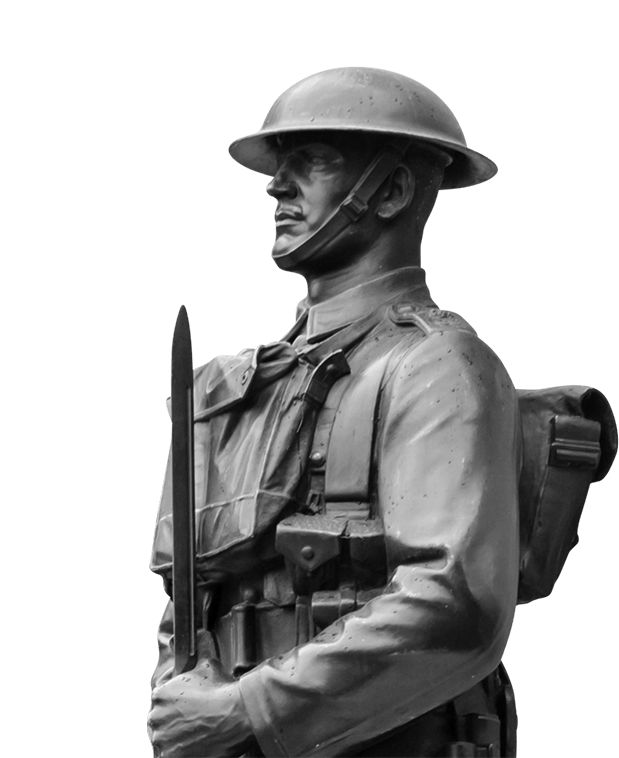
Find out more about the NAFD’s early beginnings in this article about the role played by the British Undertakers’ Association in the burial of the Unknown Soldier after World War I.